Policy is moving faster than infrastructure
Policy is moving faster than infrastructure — and that creates real challenges in practice.
Having worked in Norway, Denmark, and Finland — inspecting container-based battery systems and coordinating service and maintenance — I have seen a recurring problem.
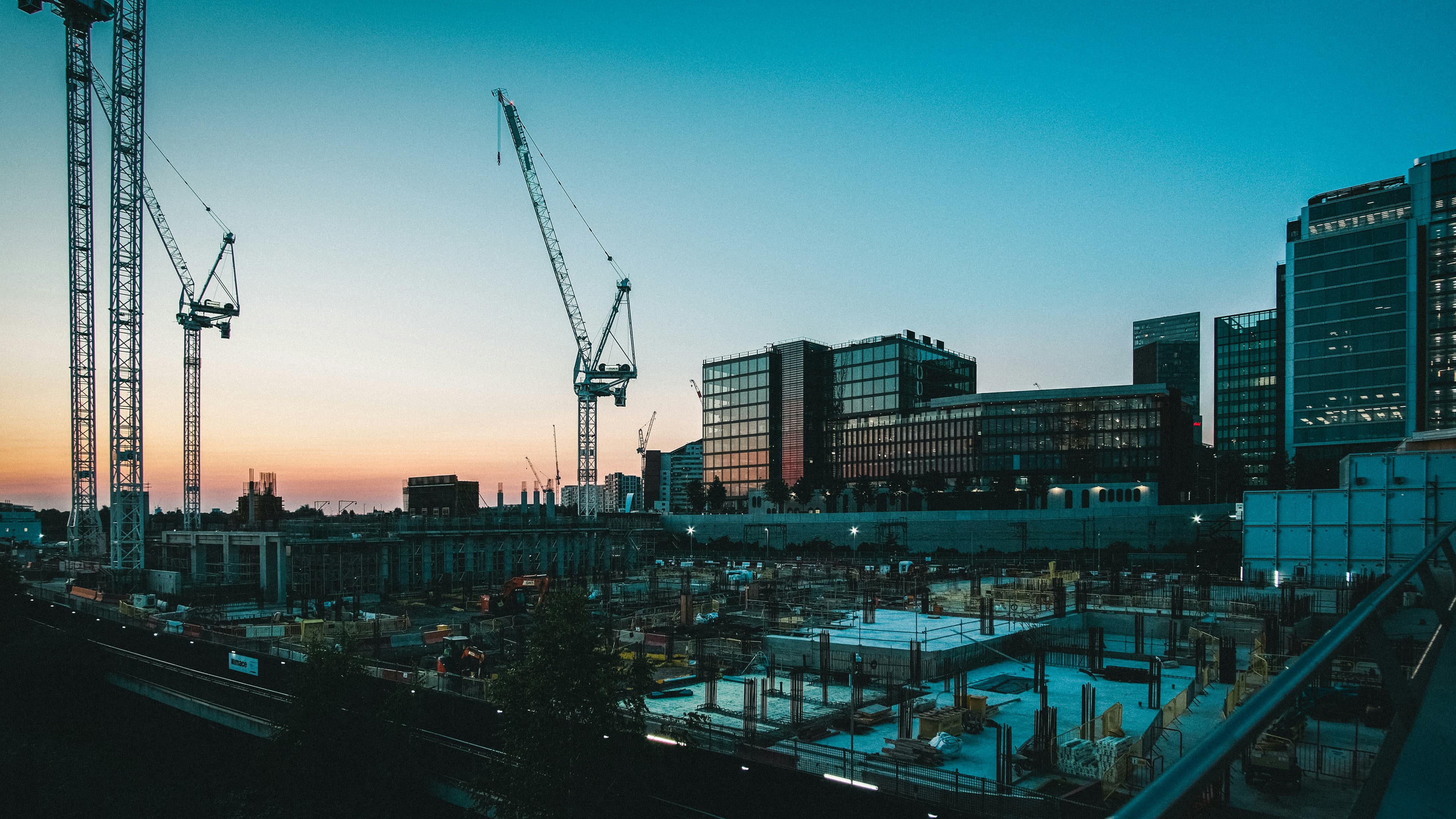
On many construction sites where fossil fuels are restricted, the reality does not always match the ambition.
For example:
• Multiple electric excavators on site, but insufficient grid capacity to charge them
• Diesel generators still used to power electric machines
• Requirements for electric transport, while loading/unloading still uses diesel equipment
The intention is right — but the system is not always ready.
This creates a gap between regulation and real implementation.
Solutions on the way
During recent visits to suppliers in China, I have seen what is being developed for 2026–2027 — and it will significantly change how energy is managed on site.
Already today, mobile battery systems with integrated charging can:
• reduce dependency on grid limitations
• eliminate the need for diesel generators
• enable full electrification of construction sites
The transition is happening — but it needs to adapt to practical implementation.
In a few years, fully fossil-free construction sites will not be an ambition — they will be the standard.
Swegarb AS / Globe Energy Norway